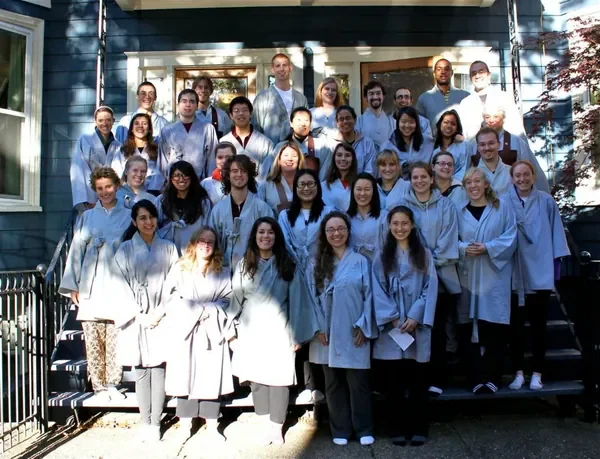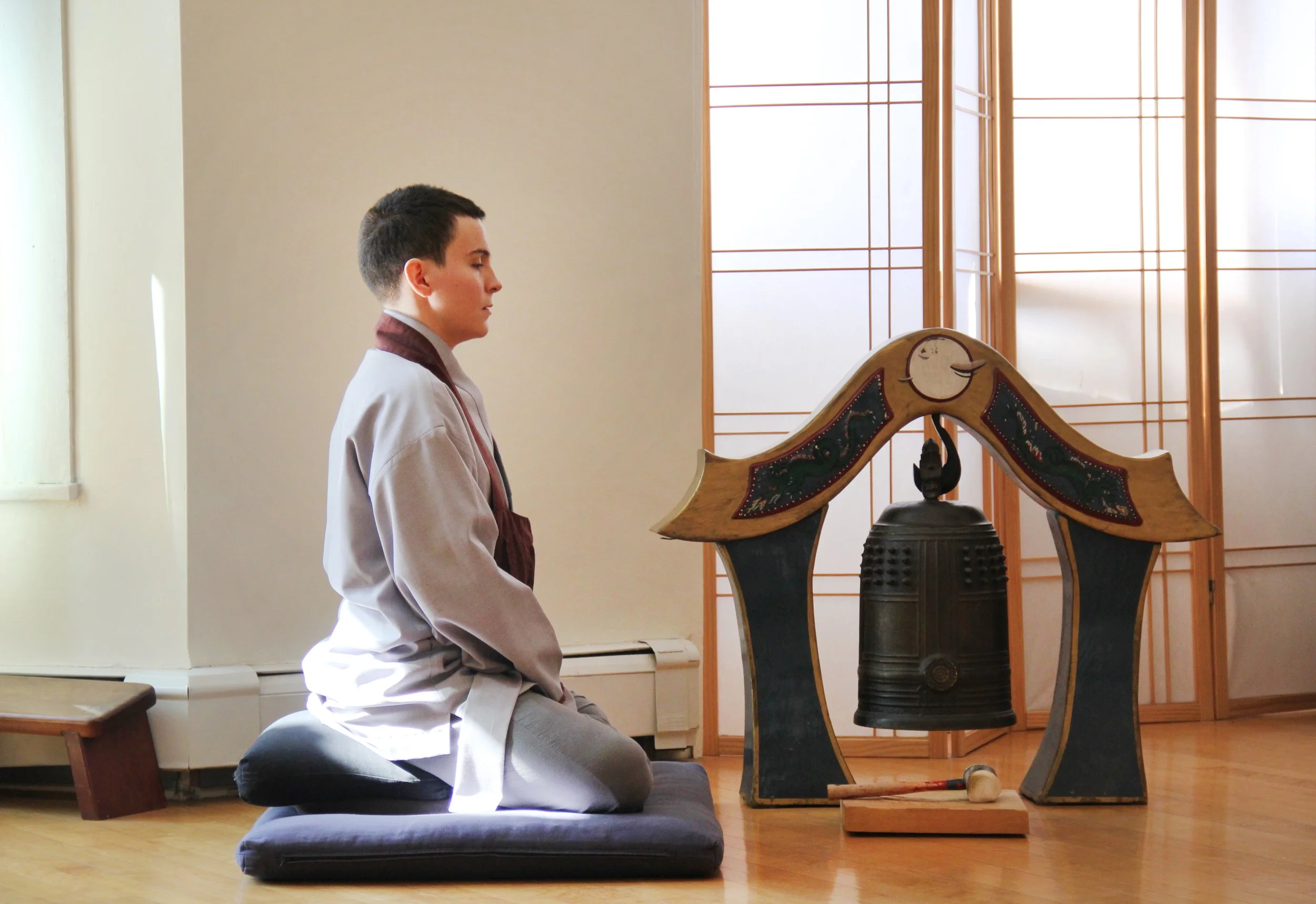
Retreats at Cambridge Zen Center
Multi-day retreats, known as “Yong Maeng Jong Jin” (YMJJ) retreats, provide an extended opportunity to deepen your practice and support the practice of others. "Yong Maeng Jong Jin" is a traditional phrase that means “to leap like a tiger while sitting.”
We offer a two-day YMJJ on the second weekend of every month. Participants can register to sit one or both days.
Longer retreats, called Kyol Che, are regularly offered nearby at our head temple, Providence Zen Center. See upcoming Kyol Che dates.
Upcoming Retreats
-
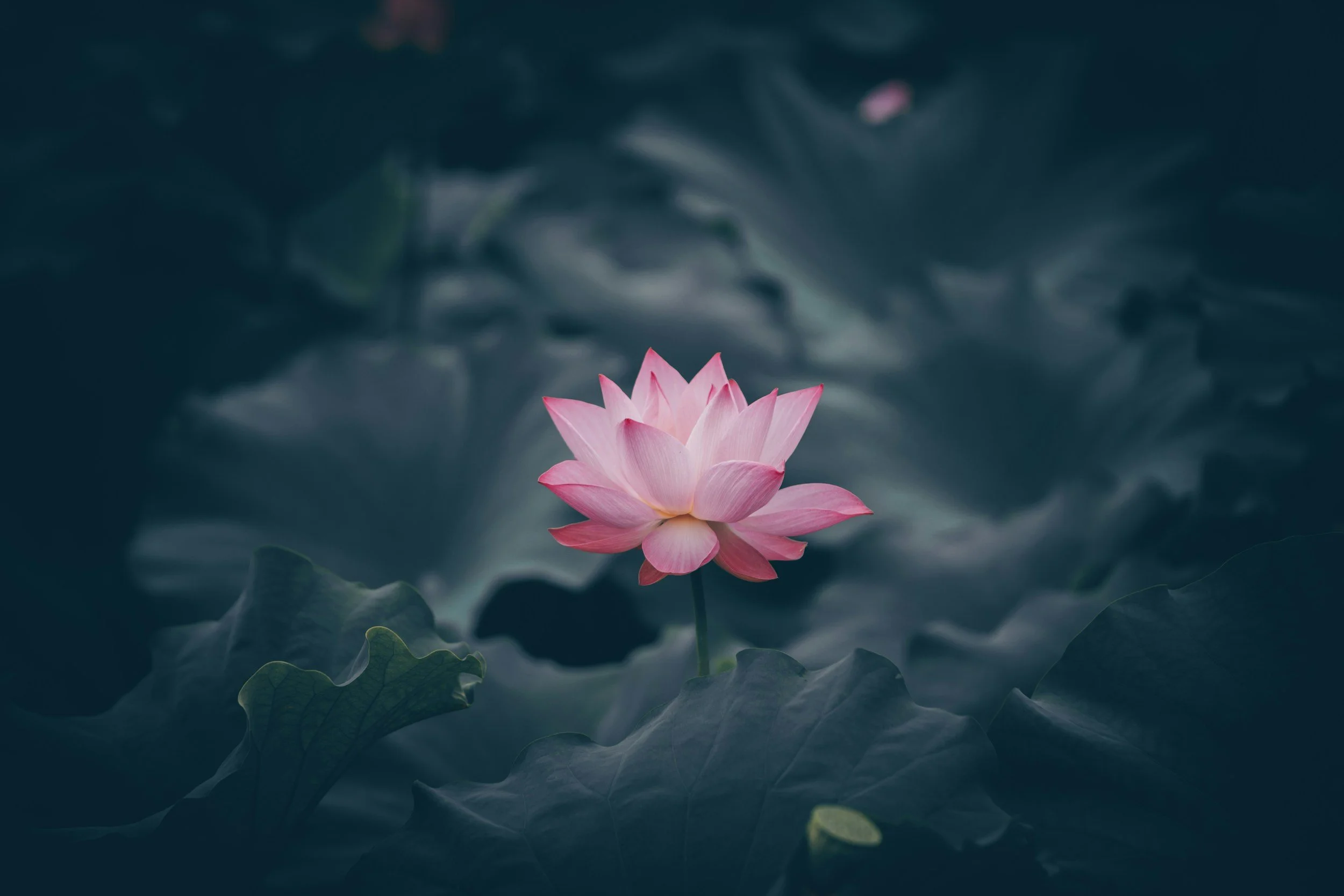
![A pink lotus flower floating on dark water with green lily pads surrounding it.]()
YMJJ Retreat
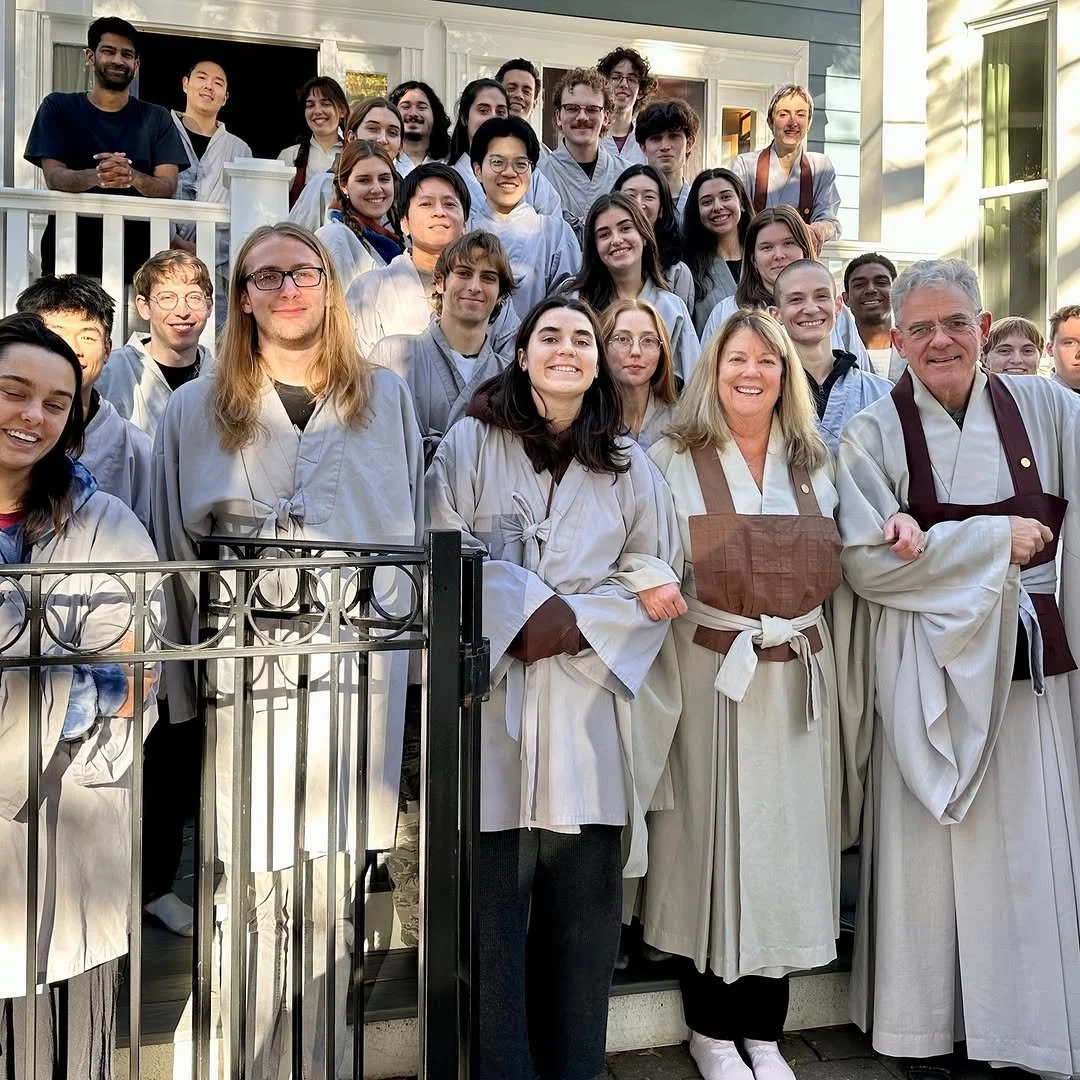
Retreat Registration
Registration for YMJJ opens a month out and closes at noon the Thursday prior to the retreat. Please email director@cambridgezen.org with any questions about the retreat.
Financial Aid is available via our work study program. Contact director@cambridgezen.org to inquire.
-
Overnight stays are recommended for full participation. Saturday–Sunday is included.
-
Limited on-site parking available. Notify director@cambridgezen.org in advance.
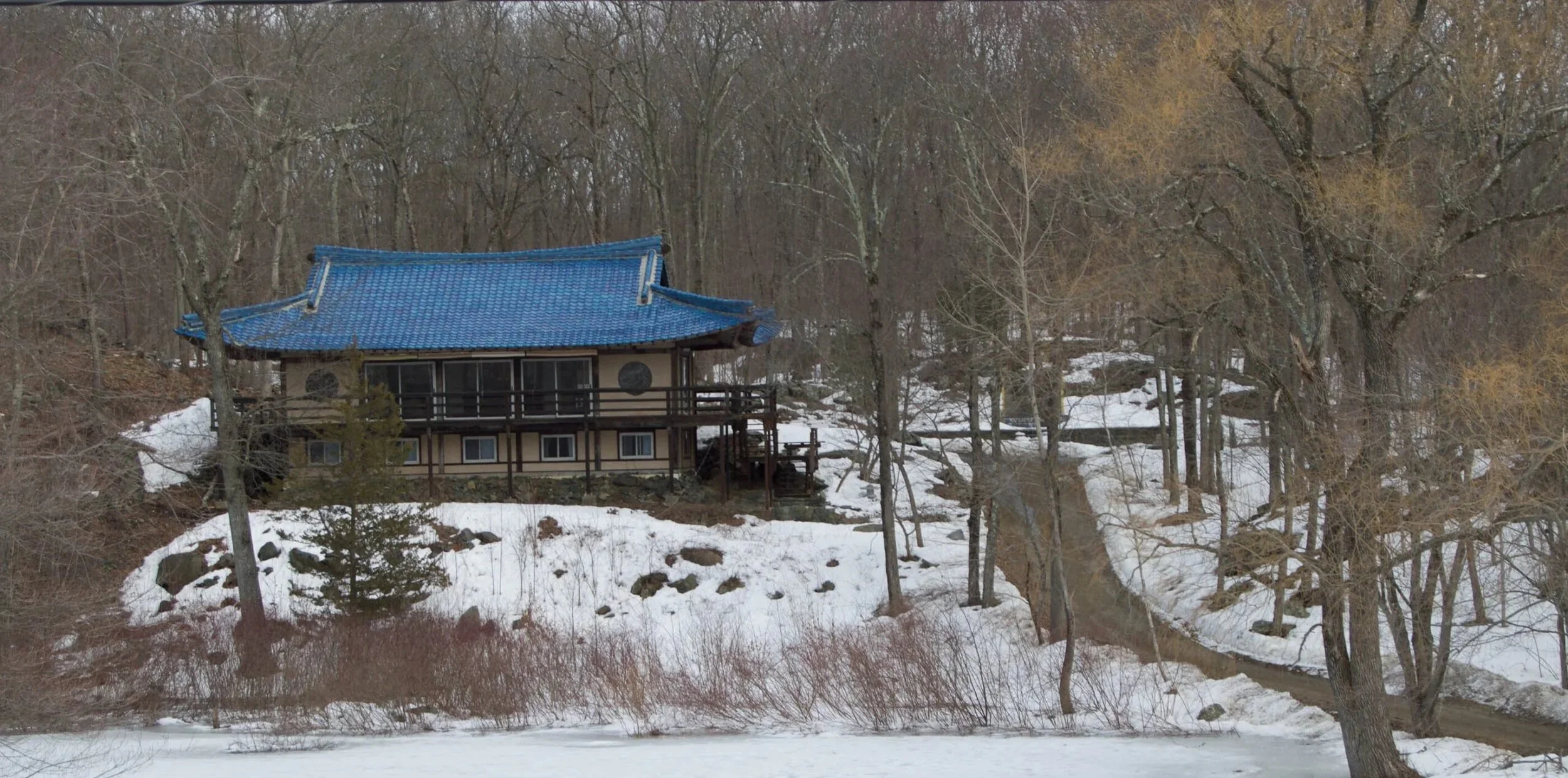
Kyol Che Long Retreats
Kyol Che is a bi-yearly retreat traditionally held for 30 days in the summer and 90 days in winter. The name (결제 / 結制) means “tight dharma,” referring to a period of intensive, disciplined practice.
Practitioners can sit one or more weeks of Kyol Che, entering and exiting on Saturday. Prior retreat experience in the Kwan Um School of Zen is required to enter Kyol Che.
In New England, Kyol Che is held at Diamond Hill monastery at the Providence Zen Center. Worldwide, there are regional Kyol Che host temples in Barcelona, Poland, Czech Republic, Hong Kong, and Korea.
Dana for Teachers
Dana is the Pali word for “generosity of heart” or “freely giving.” It is customary to give dana to the teacher after sitting retreat. Your generous support helps them to continue teaching. You can donate using Venmo @cambridgezencenter, leave a cash donation, write check to “Cambridge Zen Center,” or click the button below to make a donation with a credit card.
In the checkout page, please indicate in the memo section “Dana for Retreat Teacher” including the teacher’s name.
Retreat Schedule & Forms
YMJJ retreats begin Saturday morning and end late afternoon on Sunday. See below for detailed schedule.
If this is your first retreat at CZC, please arrive at 8:00 AM for retreat orientation to receive instruction on forms. Experienced practitioners will begin the day with a silent work period. Sitting commences at 10:00 AM.
If you are sitting Sunday only, please arrive at either 4:30 AM or 8:00 AM.
-
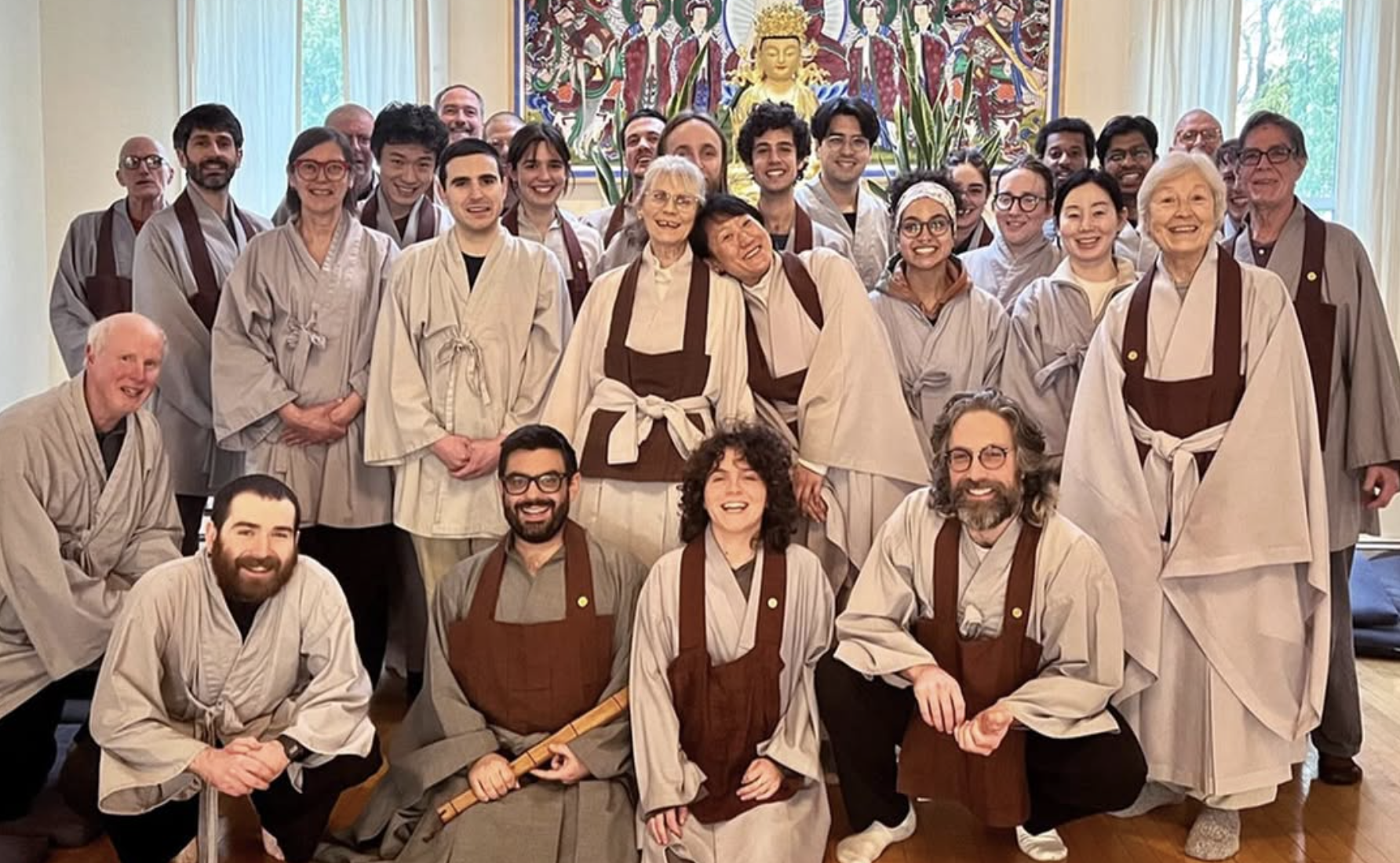
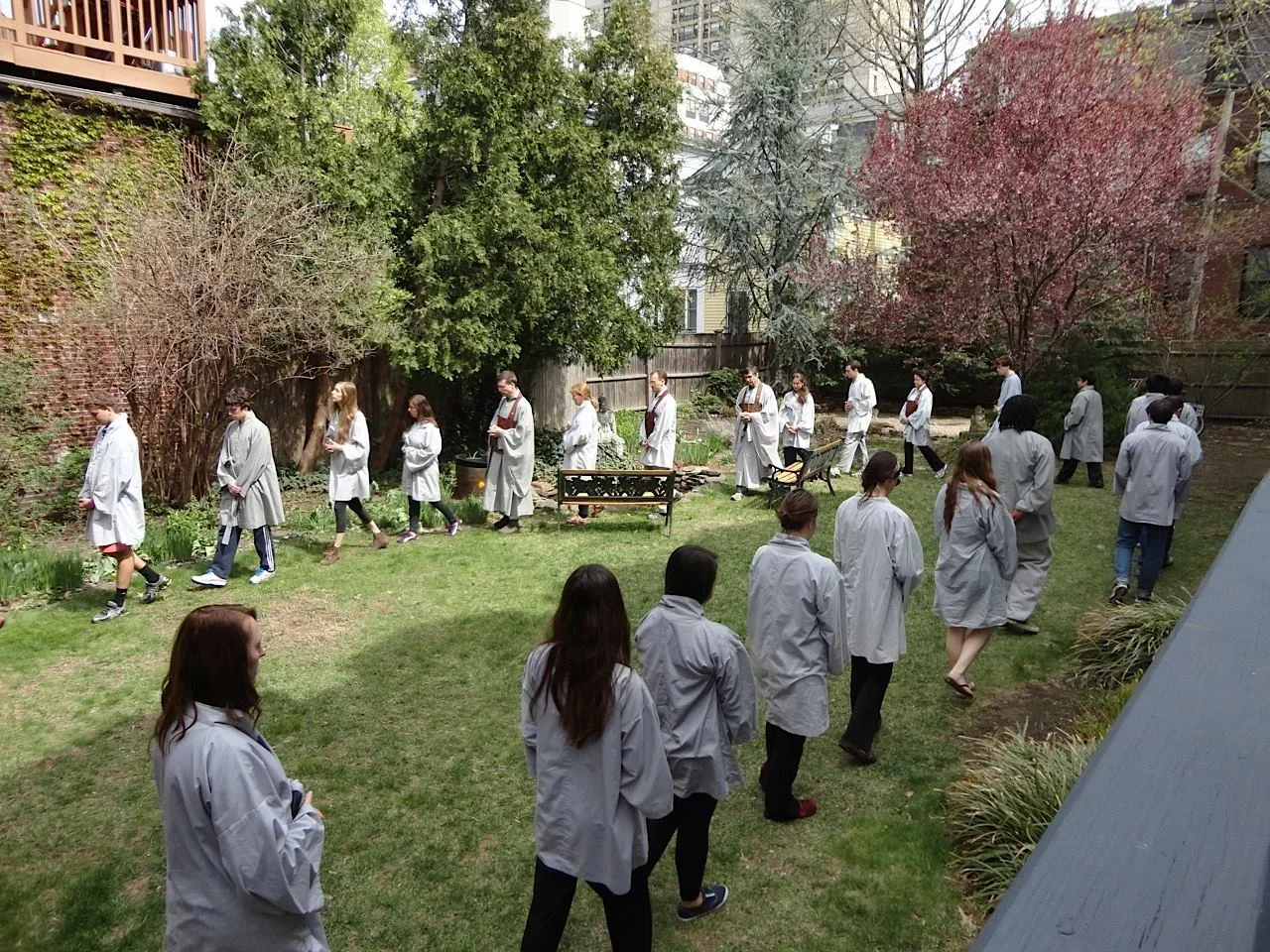
Retreats are held in silence and consist of sitting and walking meditation, chanting, formal temple-style meals, and kong-an interviews with the teacher leading retreat.
Please wear comfortable and loose clothing. You may want extra layers and socks in the winter months.
Please join the retreat on time. Latecomers are not admitted. Please contact us if you can’t attend as scheduled.
For those attending on Zoom, please keep yourself muted and your phone off.
if you have any issues with attending the full schedule, please reach out to the HDT/Director to ask if this would be allowed. Sometimes we can be flexible..
If any problem arises, speak with or write a note to the Head Dharma Teacher during walking meditation or a rest period.
-
𑁍 SATURDAY 𑁍
08:00 AM Registration & Check-In
8:15 AM Orientation or Work Period
10:00 AM Sitting & Walking Meditation
12:00 PM Lunch & Break
1:30 PM Sitting & Walking Meditation
4:00 PM Break
5:00 PM Dinner
6:30 PM Chanting
7:30 PM Sitting & Walking Meditation
9:20 PM Chanting
9:30 PM Bedtime or Extra Practice𑁍 SUNDAY 𑁍
4:30 AM Wake-Up Bell
4:45 AM 108 Bows
5:15 AM Chanting
6:00 AM Sitting & Walking Meditation
7:30 AM Breakfast
8:15 AM Work Period
10:00 AM Sitting & Walking Meditation
12:00 PM Lunch & Break
1:30 PM Sitting & Walking Meditation
2:50 PM Chanting
3:00 PM Circle Talk
4:00 PM Retreat Ends -
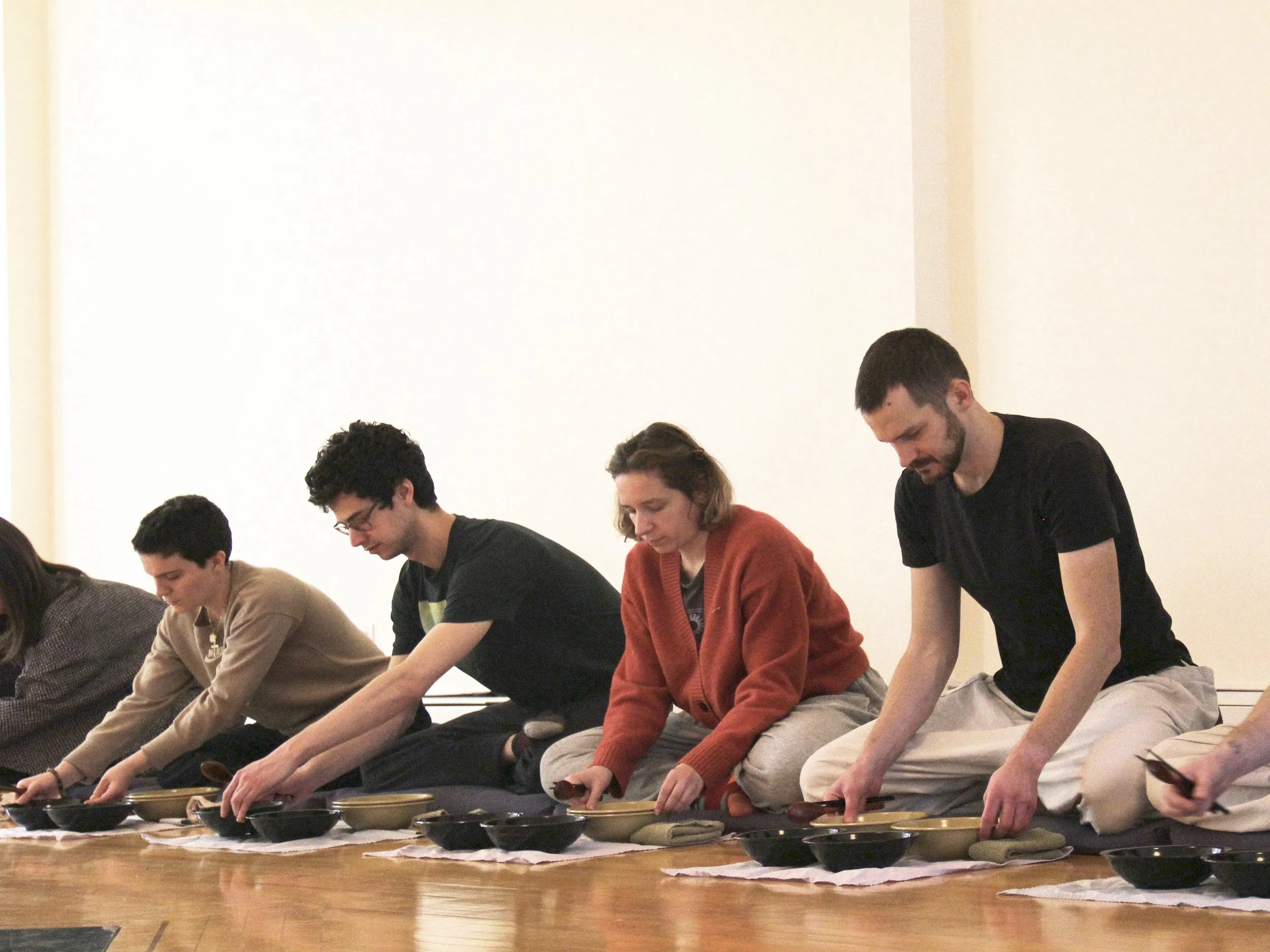
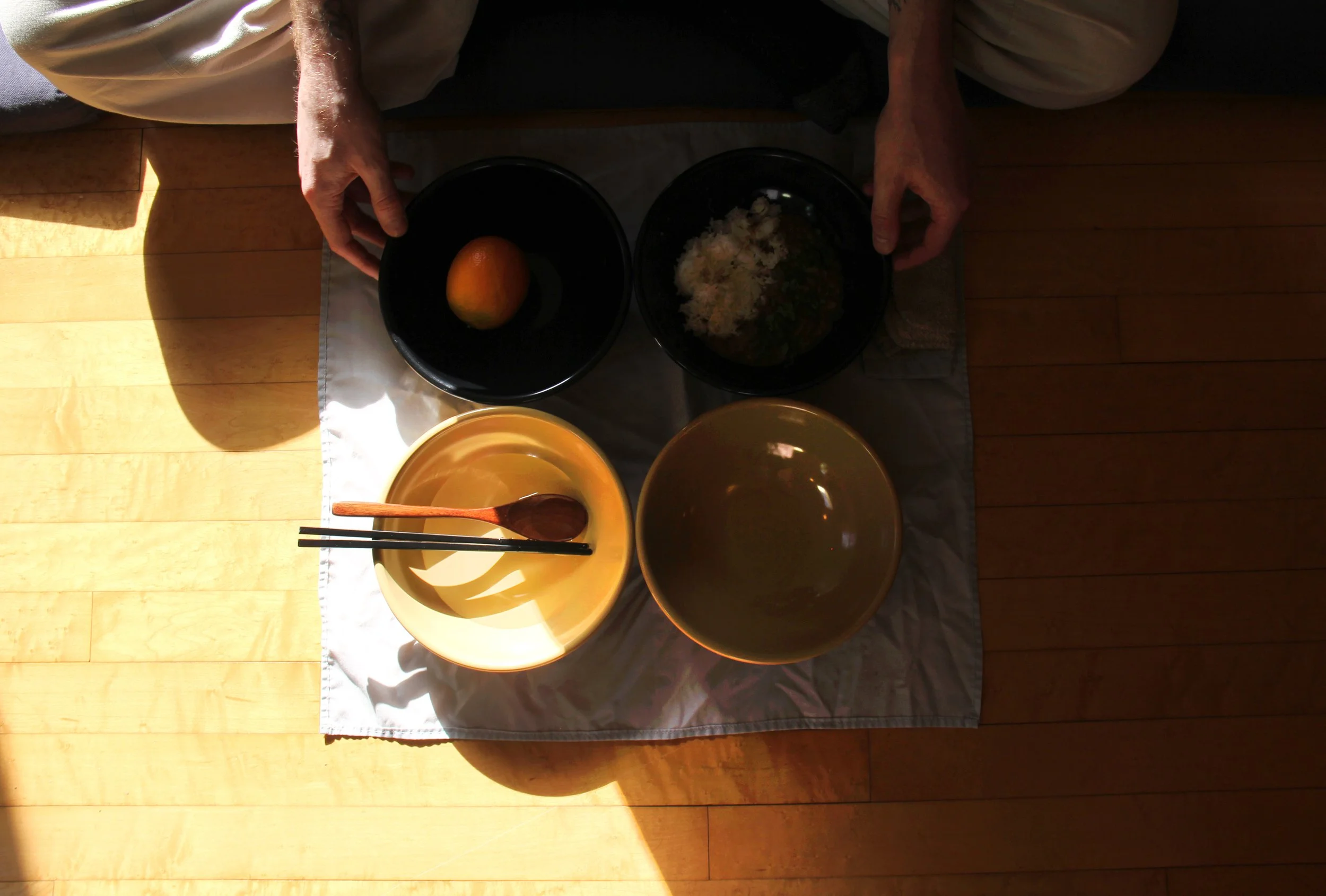
During YMJJ retreats, we eat in silence in the Dharma Hall using ceremonial forms. An introduction to the formal meal forms will be covered during retreat orientation. Our four-bowl eating style is in itself a mindfulness practice derived from the Korean monastic dining ritual Balwoo Gongyang (발우공양). The four bowls are symbolic of the four elements (earth, air, fire, and water) and also of Buddha, Dharma, Sangha, and Mind. Eating meals together in silence is an important part of formal practice.
If you are curious about the origin of this tradition, see a short BBC documentary video about monastic four-bowl style here.
-
If you are new to meditation practice or CZC, be sure to come to newcomers orientation at 8am the day of the retreat. To learn more about our style of Zen meditation, see below informative resources from the Kwan Um School of Zen (our parent organization.)
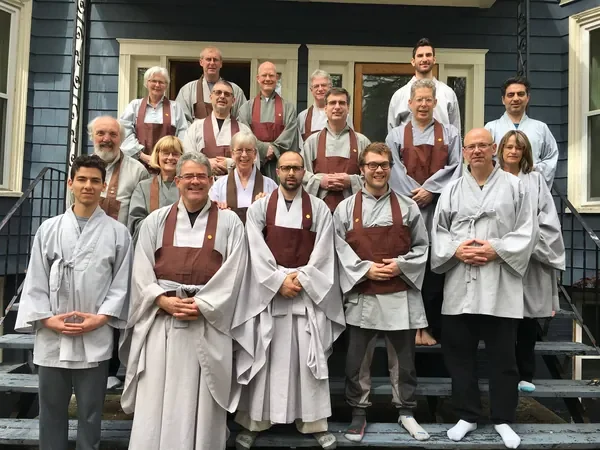
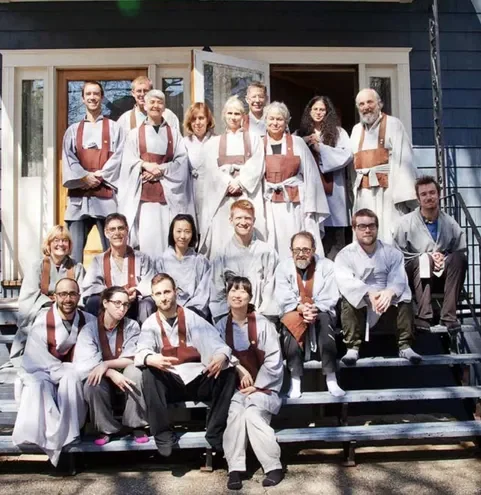
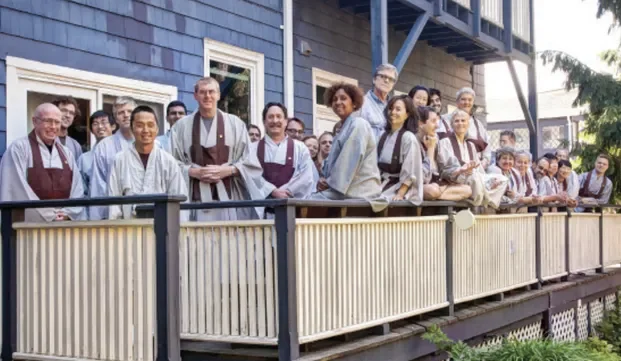
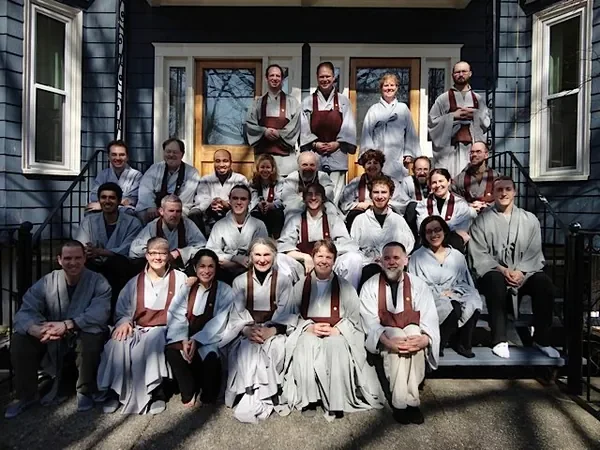
Cambridge retreats through the years…
-
![May 2017 YMJJ with ZM Wu Kwang]()
May 2017 YMJJ with ZM Wu Kwang
-
![April 2016 YMJJ with ZM Bon Shim]()
April 2016 YMJJ with ZM Bon Shim
-
![June 2015 YMJJ with ZM Bon Shim]()
June 2015 YMJJ with ZM Bon Shim
-
![March 2012 YMJJ with ZM Soeng Hyang]()
March 2012 YMJJ with ZM Soeng Hyang
-
![Nov 2011 College Retreat with ZM Bon Yeon]()
Nov 2011 College Retreat with ZM Bon Yeon